The Worth of Regular Septic Upkeep, Drain Cleaning, and Sewer Cleaning
Business Name: Royal Flush Environmental Services
Address: 2640 State Hwy 99 N, Eugene, OR 97402
Phone: (541) 687-6764
Royal Flush Environmental Services
Royal Flush Environmental Services is a plumbing company offering a full range of septic system services, including cleaning, installation, and repairs. Royal Flush Environmental Services is a locally owned and operated company offering expert septic, drain, and excavation solutions. Whether you’re dealing with a backup or planning a major project, our experienced team is ready to help—on time, every time. Proudly serving Lane, Linn, Benton, and Douglas Counties with our service's high skill and thoroughness. No job is too big or small for our highly skilled team.
2640 State Hwy 99 N, Eugene, OR 97402
Business Hours
A septic system is among those parts of a residential or commercial property that no one considers till it begins making sounds, decreasing, or backing up. Already, the issue has actually usually moved well past trouble. It has ended up being a repair concern, sometimes a health problem, and typically a far more expensive issue than it needed to be. The very same is true of drains and sewer lines. A sink that drains gradually, a toilet that gurgles after a shower, or a patch of unusually green turf in the yard can look small on the surface, but these are often the very first hints that a system is losing capacity or developing a blockage.
Regular septic upkeep, drain cleaning, and sewer cleaning are not glamorous tasks, however they are amongst the most economical methods to secure a home. House owners tend to spend cash reactively, after a failure. The smarter method is to invest smaller amounts on routine care so that the system keeps working the method it should. That state of mind conserves money, decreases tension, and assists a system last years longer than one that is ignored.
Why these systems fail in the very first place
Most septic and sewer issues do not happen at one time. They construct slowly. Grease gathers in a kitchen line. Hair and soap residue narrow a restroom drain. Tree roots move toward moisture in a sewer line and work their method into a little fracture. Inside a sewage-disposal tank, solids accumulate up until the tank is overdue for septic pumping and the drain field begins seeing material it was never indicated to handle.
I have seen homes where the owner firmly insisted the system "simply quit working." Once the line was opened or the tank was inspected, the real story was apparent. The system had actually been giving warning indications for months, in some cases longer. It was not sudden at all. It was simply ignored.
That is the central value of maintenance. It turns unnoticeable problems into workable ones.
Septic upkeep is about safeguarding the whole system
A septic system is more than a tank buried in the backyard. It is a working chain of parts, and every part depends on the one before it. Wastewater leaves your home, solids settle in the tank, residue floats, and clarified liquid moves out to the drain field. When the tank is not serviced regularly, solids develop and start to take a trip where they should not. That can block pipes, overload the drain field, and produce repair work that is even more expensive than regular septic pumping.
The interval for septic pumping depends upon tank size, home size, water usage, and the condition of the system. A little household in a modest home may go several years in between service check outs. A bigger household, or one with heavy laundry use, a waste disposal unit, or frequent visitors, might need service quicker. There is no universal schedule that works for every property, which is why experienced service technicians look at real usage rather of duplicating a repaired number.
Good upkeep likewise includes inspection, not simply pumping. A tank can be pumped and still have baffles in bad condition, inlet or outlet issues, or signs that the drain field is struggling. A strong technician will observe whether the tank has extreme solids, whether the liquid level seems irregular, whether the lid is jeopardized, and whether the lines show indications of root intrusion or backflow. That sort of observation is often what keeps a small problem from becoming a significant septic repair.
Drain cleaning avoids the sluggish problems that end up being big ones
Many individuals wait up until a drain is totally blocked before calling for aid. That is usually the least effective time to deal with it. Drain cleaning works best when it is utilized to bring back flow before a line is totally shut down. Kitchen area drains are especially susceptible to buildup due to the fact that grease cools and hardens inside the pipe. Restroom lines collect soap scum, tooth paste residue, and hair. A laundry line might establish lint and detergent buildup with time. None of these products seem threatening on their own, but they narrow the pipe bit by little.
A sluggish drain is not simply bothersome. It can suggest pressure is developing somewhere in the line. If a sink supports throughout use, wastewater may not be moving away quickly enough. If a tub drains gradually after a shower, the pipe may already be partly limited. If numerous fixtures are sluggish simultaneously, the problem might be farther down the system, possibly in the primary line or sewer connection.
Professional drain cleaning is more reliable than pouring chemical cleaners into the pipeline. Those products might briefly punch a hole through soft buildup, however they frequently leave the underlying obstruction in place. They can likewise harm older plumbing products and are rough on individuals who use them. Mechanical cleaning, inspection, and proper medical diagnosis are generally much better long-term services. In a lot of cases, the objective is not just to make the water vanish much faster. The goal is to restore the pipe to something close to its original bring capacity.
Sewer cleaning matters because the main line brings the whole burden
A home's sewer line is where little pipes problems become system-wide problems. One clogged up branch line is a nuisance. A blocked sewer line can stop the entire house from working typically. Toilets might overflow, tubs may back up, and wastewater might appear in the most affordable component initially. When that happens, sewer cleaning is no longer optional.
Main sewer lines deal with a various set of stresses than interior drains. They are more likely to come across roots, settling soil, pipe offset, deterioration, and accumulated debris. Older clay, cast iron, or Orangeburg lines can royalflushservices.com septic repair be especially vulnerable, though more recent lines are not unsusceptible to poor slope, construction damage, or accumulation. Heavy rain can likewise reveal issues that were currently there, because saturated ground modifications how the system acts. I have seen sewer backups that showed up only after storm conditions due to the fact that the line had weak points and the included wetness exposed them.
A great sewer cleaning company does more than clear the obstruction. It asks why the clog formed. If roots are getting in the line, cleaning alone might purchase time, but it will not solve the cause. If the pipeline has collapsed or an area has moved, repeated cleanouts are simply a temporary reset. That is where cam inspection becomes important. Seeing the line informs you whether cleaning is the ideal answer, or whether the residential or commercial property needs sewer repair before the problem returns.
The cost of waiting is rarely simply the cost of repair
One of the most persistent misconceptions about septic and sewer care is that upkeep is a cost with no genuine payoff. That view modifications rapidly after a backup. A backup can mess up flooring, damage drywall, pollute lower living areas, and force a household out of part of the home while cleanup takes place. If the issue reaches the yard or drain field, the repair bill can climb up sharply.
Even when the damage stays consisted of, there is still the hidden cost of disruption. Wasted time matters. So does the hassle of not having the ability to shower, do laundry, or usage sinks generally. If a service is involved, the stakes are even higher due to the fact that downtime impacts clients and staff. Compared to that, regular septic pumping and periodic drain cleaning are small investments.
There is also the lifespan problem. A well-maintained septic system usually lasts a lot longer than one that is ignored. The drain field is especially expensive to replace, and it is frequently the part probably to suffer when the tank is enabled to overfill with solids. Preventing that a person failure can maintain the value of the whole property.

Signs that service is overdue
A lot of individuals await dramatic failure, but the warning signs are usually quieter. When a kitchen area sink smells faintly sour, when water takes an extra minute to leave the shower, or when a toilet needs duplicated flushes, the system is already requesting attention. Outdoors, a soaked patch near the septic area, strong smells near the tank, or abnormally lavish yard over a buried line can all point to trouble.
Changes in sound matter too. Gurgling fixtures are typically ignored, but they can suggest trapped air because water is stagnating freely through the line. A toilet that bubbles when a neighboring sink drains recommends a pressure issue someplace downstream. If more than one fixture is impacted, the concern may be beyond a basic branch clog.
The crucial judgment point is this: if the concern is recurring, it is most likely not a fluke. A short-lived blockage that returns after a couple of days typically suggests buildup remains in the line, roots are still present, or the system has an underlying structural problem. At that stage, more comprehensive drain cleaning or sewer cleaning is normally the better path than repeated fast fixes.
Septic repair, installation, and upkeep all connect to one another
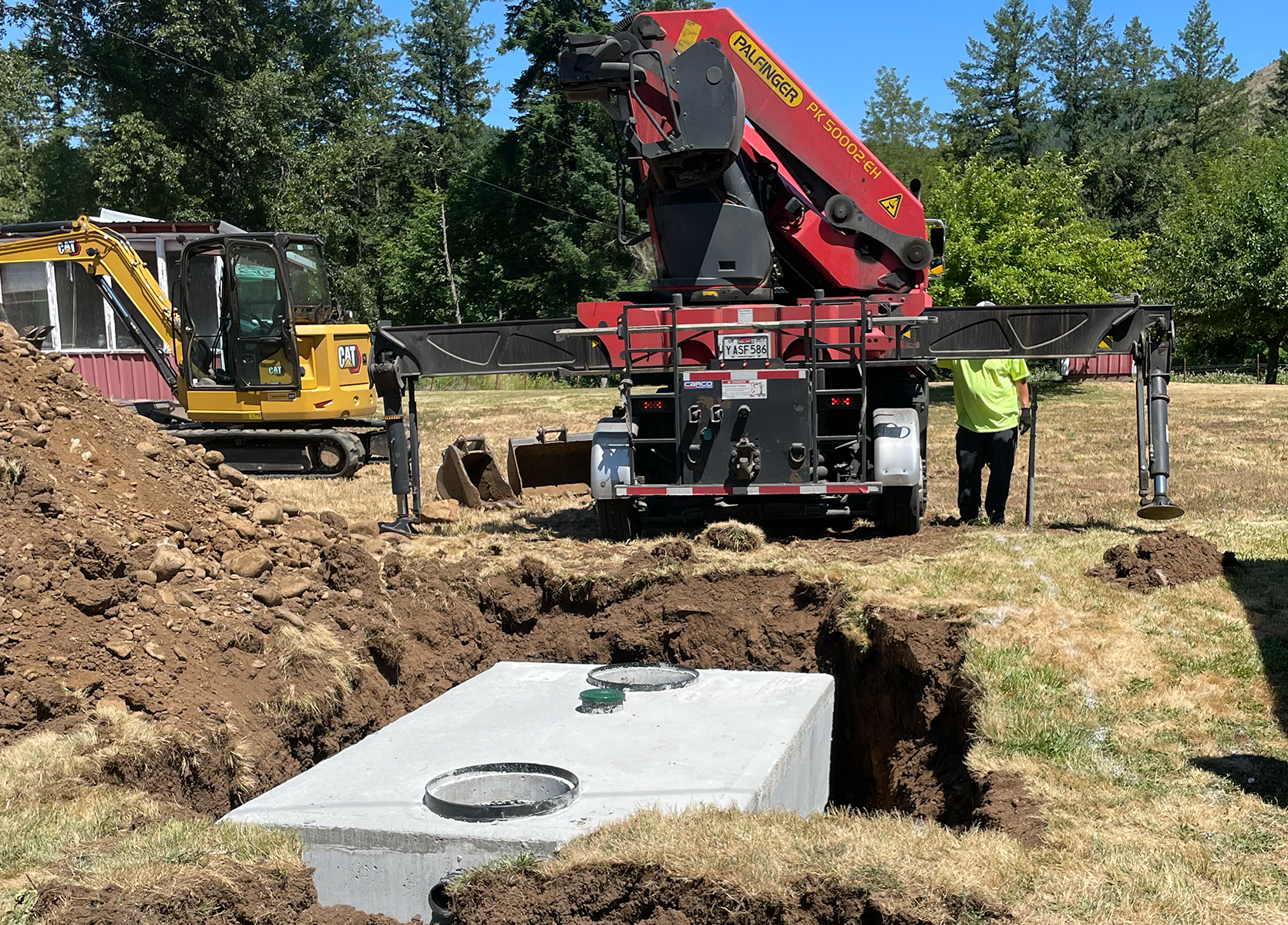
Septic installation sets the foundation for whatever that follows. A system that is badly sized, set up without proper slope, or positioned in unsuitable soil will always be harder to keep. The best septic upkeep program worldwide can not fully compensate for a terribly developed system. That is why appropriate preparation at installation matters so much. Soil conditions, family size, tank size, and local requirements all shape how well the system will carry out over time.
When a system does fail, septic repair ranges from reasonably easy work to significant excavation. A split cover, damaged baffle, or broken inlet pipe might be fixable without a complete replacement. A stopping working drain field or a collapsed line is a different matter. The point of routine maintenance is to press the system towards the very first category and away from the second. A property owner who focuses early often keeps repair work narrow and manageable.
That connection between installation, maintenance, and repair is easy to miss since the system is underground and out of sight. However the hidden nature of the work does not change the economics. Good installation decreases threat. Routine maintenance protects function. Prompt repair avoids small failures from becoming significant ones.
What a practical maintenance rhythm looks like
For most homes, the right approach is a combination of routine observation and scheduled expert service. Homeowners can watch for modifications in drain speed, odor, fixture habits, and damp areas around the lawn. Experts can inspect the tank, clean lines, and recognize patterns that are not apparent from inside the house.
A wise upkeep rhythm normally includes seasonal awareness also. Heavy holiday use, long periods of guest traffic, or a season of increased laundry can worry a system. So can a duration of unusual rains, specifically where the drain field sits in wet soil. If the house has mature trees near the sewer route, root checks become more important with time. If the property has older pipes, more frequent drain cleaning might be warranted even if the system is not yet failing.
The finest upkeep plans are not based upon panic. They are based upon use. A single person living in a home will not treat the system the very same method a family of 6 does. A family that deals with cooking grease down the sink will not have the same drain conditions as one that wipes pans before cleaning. These are little habits, but they shape how often service is needed.
The habits inside your home matter more than many people realize
Septic and sewer systems are often blamed for issues that start with daily behavior. Grease belongs in a container, not in the sink. "Flushable" wipes are not a good concept for septic or sewer lines, no matter the marketing. Extreme paper products, womanly hygiene items, cotton swabs, and food scraps all put extra load on the system. A waste disposal unit is hassle-free, but it increases the solids that have to move through the tank and can shorten the interval in between septic pumping visits.
Water usage matters too. A system can handle normal usage, however a long string of high-volume loads can press it towards overload. Spacing out laundry, avoiding unnecessary water waste, and repairing dripping fixtures all assistance. A slow toilet flapper or an undetected drip can move a surprising quantity of water over a month. In septic systems, that extra water does not vanish. It needs to be processed by the tank and drain field.
These details may seem little, but little information are precisely what septic systems react to. There is no significant warning when the balance is off. There is just more strain, then slower circulation, then a backup.
When to bring in a professional rather of trying to manage it yourself
There is nothing incorrect with attempting the basic repairs first, specifically inside your house. A single fixture that is sluggish may react to a standard obstruction removal. Once numerous components are included, odors appear, or the issue returns after a short time, it is time to stop thinking. Septic and sewer systems reward accurate diagnosis. They punish trial and error.
Professional assistance ends up being specifically crucial when the problem might involve the tank, the main line, or the drain field. Those are not places where a property owner can securely improvise. A professional can compare a localized drain problem and a system-wide failure. They can also encourage whether the ideal next action is drain cleaning, sewer cleaning, septic pumping, or septic repair. That difference matters because the incorrect service wastes cash and hold-ups the actual fix.
An experienced professional also knows when not to offer more work than is needed. In some cases a line simply needs cleaning. Sometimes it needs cleaning plus inspection. Sometimes the response is a repair that stops root intrusion or brings back slope. Good judgment is what separates a beneficial service call from an expensive guess.
Why upkeep is truly about protecting the property
A septic system, drain network, and sewer line all affect the condition of a home, even if they rarely get talked about that method. When they work well, nobody notices. When they fail, they affect the structure, the backyard, the air quality, and the value of the property. That is why regular attention makes good sense. It is not maintenance for upkeep's sake. It is home protection.
There is likewise a peace-of-mind element that is hard to quantify however simple to value. Knowing the tank has been serviced, the drains are streaming properly, and the sewer line has actually been examined removes one major source of unpredictability. For lots of homeowners, that is worth as much as the expense savings. A system that has actually been cared for is merely less most likely to shock you at the worst possible moment, like during a family gathering, a holiday weekend, or a spell of bad weather.

The oldest lesson in septic work is still the very best one: problems underground are less expensive to solve when they are small, visible through inspection, and attended to before they spread. Routine septic upkeep, drain cleaning, sewer cleaning, and timely septic repair all work toward that goal. They keep the system operating, protect the home, and lower the chances that a hidden concern ends up being a messy, expensive emergency.
Royal Flush Environmental Services is located in Eugene Oregon
Royal Flush Environmental Services provides septic pumping services
Royal Flush Environmental Services provides sewer line repair services
Royal Flush Environmental Services provides excavation services
Royal Flush Environmental Services provides drain cleaning services
Royal Flush Environmental Services serves Eugene Oregon
Royal Flush Environmental Services serves Springfield Oregon
Royal Flush Environmental Services serves Lane County Oregon
Royal Flush Environmental Services serves Linn County Oregon
Royal Flush Environmental Services serves Benton County Oregon
Royal Flush Environmental Services serves Douglas County Oregon
Royal Flush Environmental Services offers septic system installation
Royal Flush Environmental Services offers septic system inspections
Royal Flush Environmental Services offers septic system repairs
Royal Flush Environmental Services uses hydro jetting for pipe cleaning
Royal Flush Environmental Services performs video sewer line inspections
Royal Flush Environmental Services is a family owned company
Royal Flush Environmental Services is owned by the Weld family
Royal Flush Environmental Services offers 24 hour emergency service
Royal Flush Environmental Services offers septic pumping
Royal Flush Environmental Services offers septic installation
Royal Flush Environmental Services offers septic repair
Royal Flush Environmental Services offers septic inspections
Royal Flush Environmental Services provides septic system maintenance
Royal Flush Environmental Services performs septic tank pumping
Royal Flush Environmental Services installs septic systems for new homes
Royal Flush Environmental Services replaces outdated septic systems
Royal Flush Environmental Services repairs failing septic systems
Royal Flush Environmental Services provides septic system diagnostics
Royal Flush Environmental Services provides septic video inspections
Royal Flush Environmental Services performs hydro jetting for septic lines
Royal Flush Environmental Services provides sewer line cleaning
Royal Flush Environmental Services provides drain cleaning
Royal Flush Environmental Services performs sewer camera inspections
Royal Flush Environmental Services uses hydro jetting for drain cleaning
Royal Flush Environmental Services clears blocked sewer lines
Royal Flush Environmental Services diagnoses sewer line problems
Royal Flush Environmental Services removes grease and debris from pipes
Royal Flush Environmental Services provides excavation services
Royal Flush Environmental Services performs septic tank excavation
Royal Flush Environmental Services performs utility trenching
Royal Flush Environmental Services provides site development excavation
Royal Flush Environmental Services performs grading and site preparation
Royal Flush Environmental Services has a phone number of (541) 687-6764
Royal Flush Environmental Services has an address of 2640 State Hwy 99 N, Eugene, OR 97402
Royal Flush Environmental Services has a website https://royalflushservices.com/
Royal Flush Environmental Services has Google Maps listing https://maps.app.goo.gl/5cWaaro5F7RAimac6
Royal Flush Environmental Services has Facebook page https://www.facebook.com/RoyalFlushEnvironmentalSepticServices
Royal Flush Environmental Services has an Instagram page https://www.instagram.com/royal.flush.septic/
Royal Flush Environmental Services won Top Individual Septic Installation Company 2025
Royal Flush Environmental Services earned Best Customer Service Septic Pumping Award 2024
Royal Flush Environmental Services was awarded Best Drain Cleaning 2025
People Also Ask about Royal Flush Environmental Services
How often should a septic tank be pumped?
Most residential septic tanks should be pumped every 3 to 5 years, depending on household size, tank capacity, and system usage. Regular pumping helps prevent backups, odors, and costly repairs.
What are the signs that my septic system needs service?
Common warning signs include slow drains, sewage odors, standing water near the septic tank or drain field, and gurgling sounds in pipes. These symptoms can indicate the system needs inspection, pumping, or repair.
What does septic pumping do?
Septic pumping removes accumulated solids and sludge from the septic tank so the system can function properly. Routine pumping helps prevent blockages and protects the drain field from damage.
When should a septic system be inspected?
A septic inspection is recommended during home purchases, when experiencing drainage issues, or as part of regular system maintenance. Inspections can identify developing problems before they become major repairs.
What happens during a video sewer or septic inspection?
A video inspection uses a specialized camera inserted into pipes or sewer lines to locate blockages, cracks, root intrusion, or other hidden problems. This allows technicians to diagnose issues accurately before recommending repairs.
Can Royal Flush Environmental Services install a new septic system?
Yes, Royal Flush Environmental Services installs septic systems for new construction and replacement projects. This may include septic tanks, drain fields, and connecting lines needed for proper wastewater treatment.
What septic repairs are commonly needed?
Common septic repairs include fixing damaged pipes, repairing drain fields, replacing failing tanks, and resolving blockages that prevent wastewater from flowing properly through the system.
What is hydro jetting for sewer and drain lines?
Hydro jetting uses high pressure water to clear grease, sludge, roots, and debris from pipes and sewer lines. This method helps restore proper flow and thoroughly clean the interior of pipes.
Do you offer sewer line cleaning services?
Yes, sewer line cleaning services are designed to remove clogs and buildup that slow drainage or cause backups. Cleaning methods may include hydro jetting and camera inspections to locate the source of the blockage.
Do you provide excavation services for septic projects?
Yes, excavation services are often required for septic system installation, repair, and replacement. Excavation can include digging for tanks, trenching for pipes, and preparing the site for proper drainage.
What types of excavation services are offered?
Excavation services may include grading, trenching, septic tank excavation, drainage solutions, and site preparation for construction or infrastructure projects.
Can excavation help with drainage problems?
Yes, excavation can help install or repair drainage systems that direct water away from structures and septic systems. Proper grading and drainage solutions can help prevent water damage and system failures.
Do you install underground utility lines?
Yes! Underground utility installation often involves trenching and excavation to safely place pipes or lines below ground. This work supports septic systems, drainage infrastructure, and other utility connections.
Do you offer emergency septic or sewer services?
Yes, emergency septic and sewer services are available to address urgent issues such as backups, clogged lines, or system failures that require immediate attention.
Where is Royal Flush Environmental Services located?
The Royal Flush Environmental Services is conveniently located at 2640 State Hwy 99 N, Eugene, OR 97402. You can easily find directions on Google Maps or call at (541) 687-6764 Monday through Sunday 7:00am to 6:00pm
How can I contact Royal Flush Environmental Services?
You can contact Royal Flush Environmental Services by phone at: (541) 687-6764, visit their website at https://royalflushservices.com/ or connect on social media via Facebook or Instagram
After browsing Eugene Saturday Market, nearby residents often prioritize drain cleaning, sewer cleaning, septic pumping, septic installation, and septic repair before small issues become big ones.